When the Person Who Hurts You Is Also the Person You Need
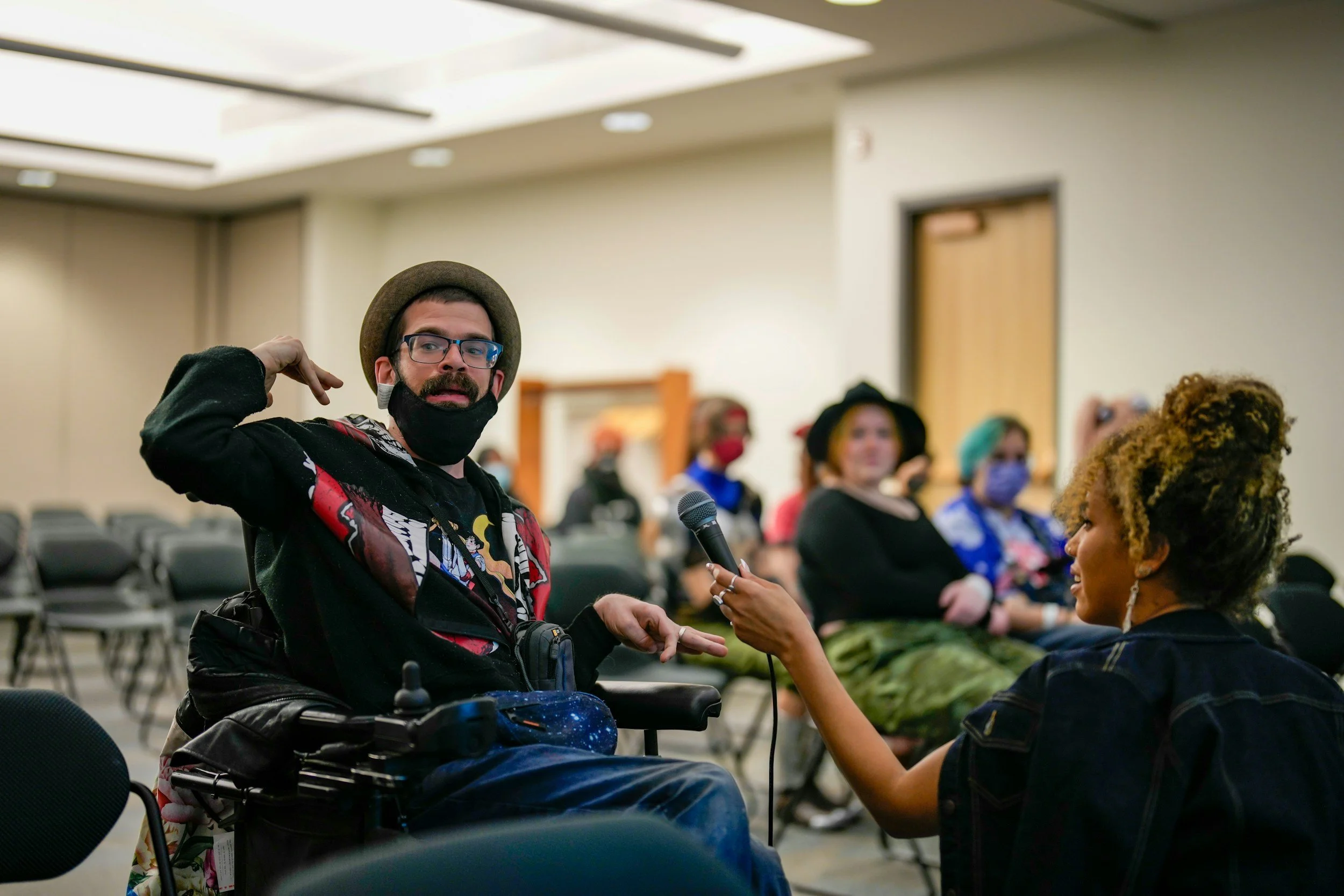
Disability does not always look the way we picture it.
Yes, sometimes disabilities are visible and observed as a wheelchair, a white cane, a hearing aid, use of sign language, or a service animal. But disabilities are far broader than what can be seen from across a room.
The Numbers Are Impossible to Ignore
“Today, abuse and violence against people with disabilities occurs at rates two to three times the general public, making them one of the most harmed groups in the country.
Rates are even higher for certain groups of people with disabilities: women, people of color, people with intellectual or psychiatric disabilities, and people with multiple disabilities.” (End Abuse for People With Disabilities)
Three out of four people with disabilities experience some form of abuse. People with disabilities are three times more likely to be sexually abused or assaulted than those without disabilities. (Domestic Violence Services Network)
These numbers are not a footnote. They represent millions of people whose abuse is compounded by circumstances that make escaping nearly impossible, and whose stories rarely make it into public conversation.
That changes when we start telling them.
How Disability Creates Vulnerability
Vulnerability is not weakness. It is a circumstance that abusers deliberately seek out and exploit.
People with physical, cognitive, sensory, or psychiatric disabilities may depend on others for daily care, transportation, medication management, communication support, or financial decisions. That dependency, in the hands of an abusive person, becomes a tool.
Abusers often target partners with disabilities precisely because of that dependency. The relationship begins like many others, with attention, affection, and apparent devotion. Over time, isolation sets in. The caregiver role becomes a method of control.
The person with the disability may not even recognize what is happening as abuse, especially when the abuser has worked hard to frame themselves as the only person who truly cares.
And when a disability is unseen, including conditions like PTSD caused by the abuse itself, the survivor faces another layer: the challenge of being believed at all.
Recognizing Ways Abusers Exploit Disability
This is what reality looks like:
Withholding care or medication. An abuser controls access to prescriptions, mobility aids, or medical appointments as punishment or leverage.
Threatening institutionalization. "If you leave me, you'll end up in a nursing home" is a threat designed to paralyze. For many survivors, it works.
Destroying adaptive equipment. Wheelchairs, hearing aids, communication devices, glasses. Damage or confiscation of these items strips independence and sends a message.
Exploiting cognitive or communication differences. Survivors with intellectual disabilities, traumatic brain injuries, or communication disorders may be manipulated into believing they misremember, misunderstood, or are at fault.
Using the caregiver role as cover. Abuse that occurs within a caregiving relationship is often dismissed or minimized, both by outsiders and by the survivor. "He/she takes care of me" can coexist with "he/she hurts me." Both are true.
Financial control. Managing disability benefits, controlling bank accounts, or intercepting benefit checks are all forms of economic abuse that leave survivors financially stranded.
Exploiting PTSD symptoms against the survivor. Abusers who have caused trauma-related disability often use flashbacks, hypervigilance, or emotional dysregulation as evidence that the survivor is "unstable" or "unfit," undermining their credibility with family, courts, and systems meant to help them.
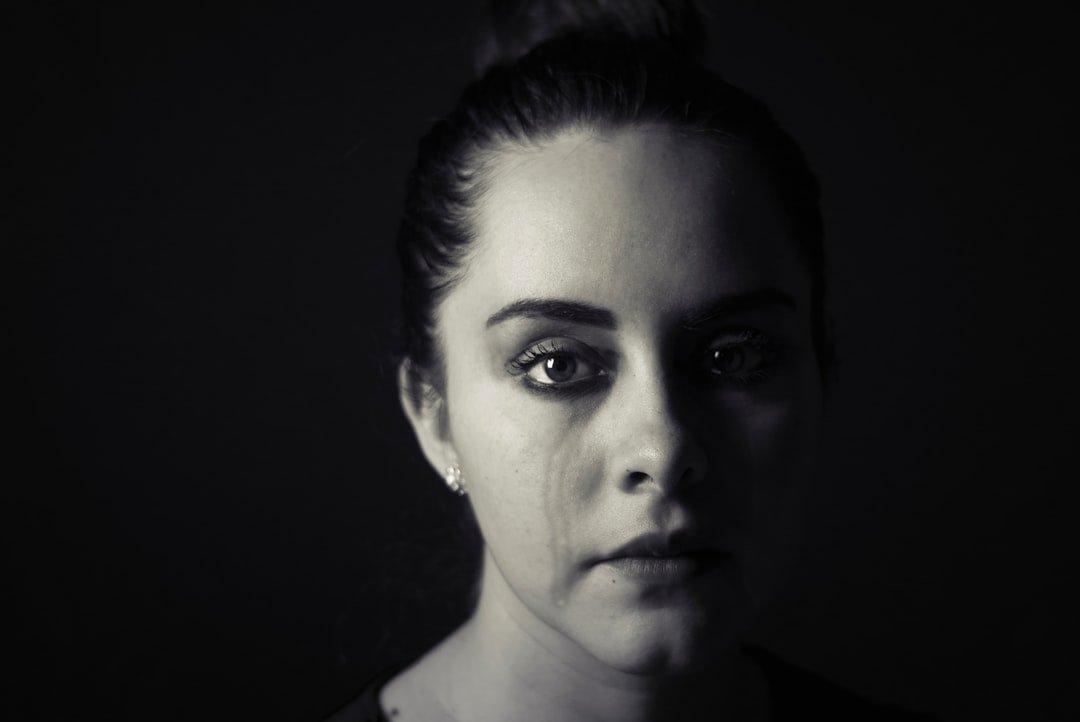
Leaving any abusive relationship is complicated.
For people with disabilities, the obstacles multiply.
The Barriers to Leaving
“There are organizations that work with people with disabilities and those that work with survivors. There are other systems that are responsible for things like ensuring public safety or providing medical care. None of these organizations or systems have been designed with survivors with disabilities in mind.” (End Abuse for People With Disabilities)
Leaving any abusive relationship is complicated.
For people with disabilities, the obstacles multiply.
Physical access. Emergency shelters and safe houses are often not equipped for people with mobility challenges, medical equipment needs, or service animals.
Loss of care. If the abuser is also the caregiver, leaving means leaving behind the person who provides essential daily support. That is not a small thing. That is a crisis layered on top of a crisis.
Transportation. Without a driver's license, accessible transit, or a support network, getting out can feel physically impossible.
Disbelief. Survivors with disabilities, including those with invisible or hidden conditions, frequently report that when they disclose abuse, they are not believed, or they are believed but told there is nothing that can be done.
Legal and system barriers. Navigating protective orders, housing applications, and legal processes can be extraordinarily difficult without accessible support, accommodations, or advocacy.
Internalized shame. A survivor who has been told repeatedly that they are a burden, that they are lucky anyone would want them, may spend years believing it.
These are not excuses. They are the real reasons people stay.
Judgment has never helped anyone leave. Understanding does.
Documentation Is Power: One Part of the Solution

One of the most important things any survivor can do, whenever it is safe to do so, is document what is happening.
The Evidentiary Abuse Affidavit (EAA) is a tool developed specifically to help survivors create a legally credible record of abuse in their own words, on their own timeline. It can be completed privately, without going to court or involving law enforcement. It is designed to be used when a survivor is ready, not on someone else's schedule.
For survivors with disabilities, the EAA matters even more. When an abuser controls the narrative, when others question a survivor's memory, credibility, or capacity, a documented record can be the difference between being heard and being dismissed.
Documentation does not require a survivor to leave. It does not require them to file charges.
It simply creates a record that belongs to them.
From Document the Abuse
Document the Abuse exists to put power back in the hands of survivors. If you or someone you know is experiencing abuse and living with a disability, the EAA could be the starting point to empowering them. By keeping a safe and secure record of their experiences, it may be the first time they recognize exactly what is happening to them.
We feel strongly about training advocates who work within the disability community to assist their clients to create a personal EAA. We aim for future partnerships with organizations within that community so everyone is represented equally and inclusively and resources are available for all.
It is not their fault. It never was.
And there is a way forward.
Share this article. Someone you know on social media, or in real life, may be living this story right now. They may not be able to reach out directly. You can be the one to help them.
Resources Available
End Abuse of People with Disabilitiesendabusepwd.org The leading national coalition working at the intersection of disability justice and anti-violence.
The Deaf Hotline (ADWAS)thedeafhotline.org| Video phone: 855-812-1001 Formed by a partnership between Abused Deaf Women's Advocacy Services and the National Domestic Violence Hotline. Services include relationship education, safety planning, crisis intervention, and referrals.
Deaf Abused Women's Network (DAWN)deafdawn.orgA Deaf-women-run nonprofit dedicated to educating the community about domestic violence and sexual violence
Disability Without Abuse Projectdisabilitywithoutabuse.comA resource for people seeking information about the abuse of people with disabilities.
Other articles of interest from our Learning Hub:
To Every Advocate that Feels They are Not Enough
Documenting Abuse: 5 Tips and Tools
The EAA Can Help Even If You Never Go to Court
If you are a victim of violence, stalking, or harassment this link takes you directly to the Evidentiary Abuse Affidavit. CLICK HERE
If you need help immediately please dial 9-1-1