
You Saw It: Document It
Witnessed or heard about domestic violence in your circle of friends or family? Learn how to create your own witness Evidentiary Abuse Affidavit (EAA), avoid hearsay pitfalls, and help a victim safely.

When "He Said, She Said" Fails Everyone
False allegations in family court hurt everyone. See how DTA's Evidentiary Abuse Affidavit and StatuteFINDER build proof instead of dueling claims.
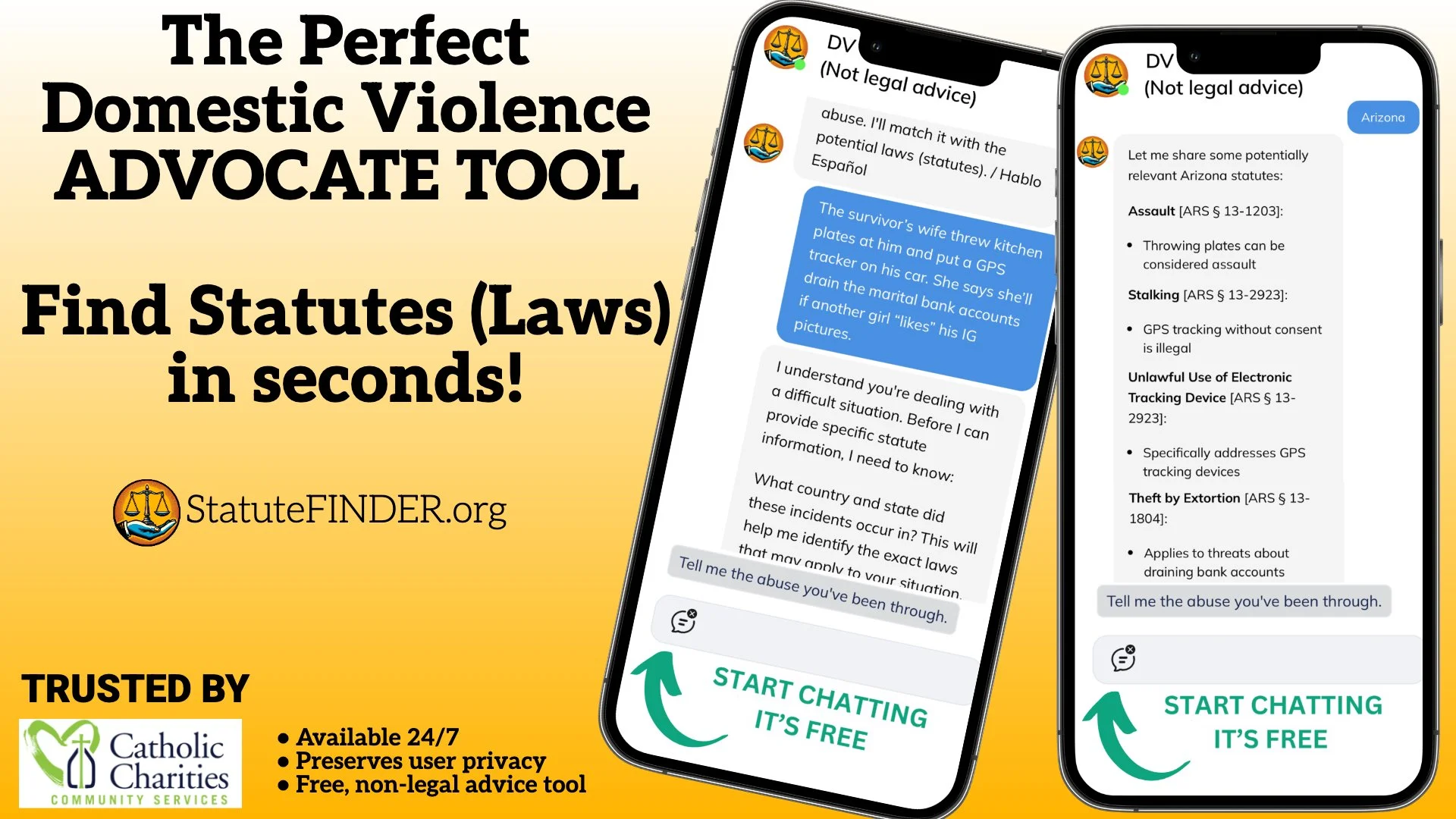
How StatuteFinder and Document the Abuse Help Survivors Build a Case
See how StatuteFINDER and the Evidentiary Abuse Affidavit work together to help domestic abuse survivors build a stronger case, from the first call to court.

Why Didn’t She Report Her Abuse?
"Why didn't she report?" is the wrong question. This article looks at the real barriers survivors face, fear, low self-worth, and an overwhelming system, and how trauma-informed documentation can ease the burden.

DTA Receives Grant Support from AWEF and the Dunham Foundation
Document the Abuse announces two new grants from AWEF and the Dunham Foundation, supporting growth and capacity building for survivor-centered tools.
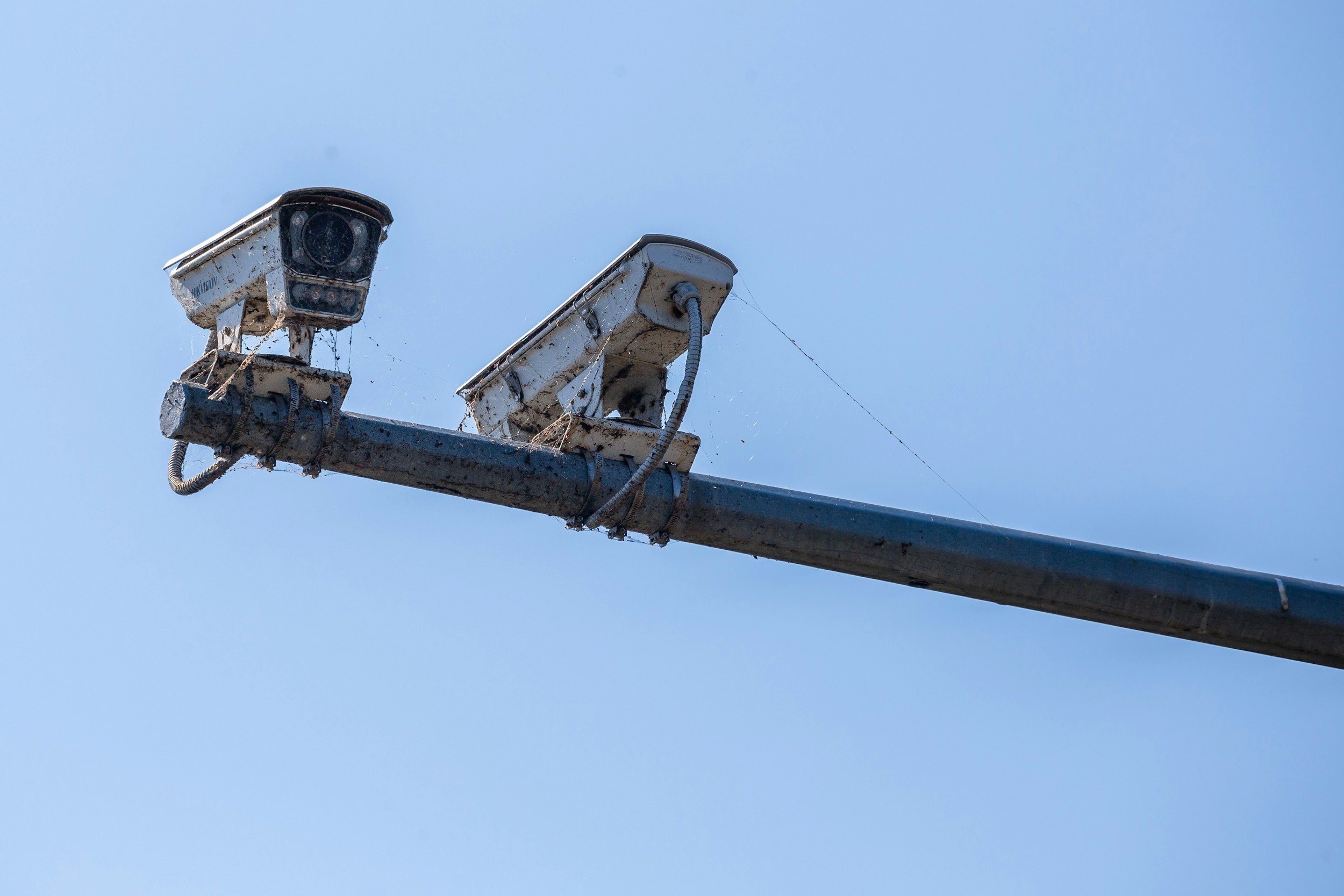
Your Car Is Talking, Who is Listening?
How police misuse license plate readers to stalk survivors, the new SignalTrace device-tracking tech, and what survivors and advocates can do.

Was It Really That Bad?
Self-doubt is one of the most common and most damaging effects of living in an abusive relationship. This article explains why survivors question their own experiences, how gaslighting creates that doubt, and why documenting your story is an act of self-trust regardless of whether you ever take legal action.

Empowerment to Emboldenment
Discover the difference between empowerment and emboldenment for domestic abuse survivors, and how moving through both stages leads to healing and lasting freedom.
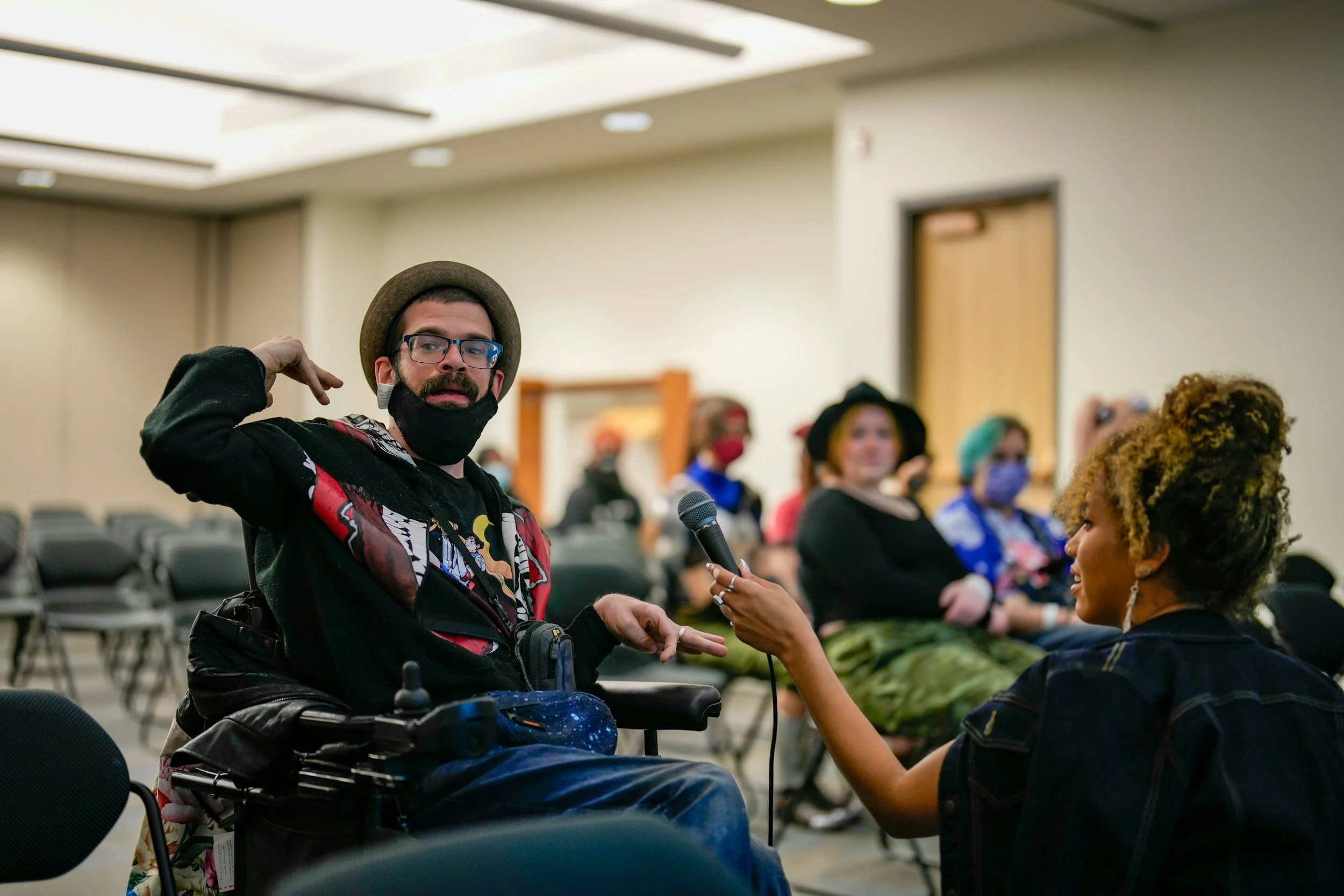
When the Person Who Hurts You Is Also the Person You Need
People with disabilities experience domestic violence at 5x the rate of others. Learn how abuse happens, how to recognize it, and how to find help.