
The Intersection of Domestic Violence & Missing Persons
Learn how domestic violence and missing persons cases intersect, why the Evidentiary Abuse Affidavit (EAA) saves lives, and how the CUE Center can help.

Why Didn’t She Report Her Abuse?
"Why didn't she report?" is the wrong question. This article looks at the real barriers survivors face, fear, low self-worth, and an overwhelming system, and how trauma-informed documentation can ease the burden.
Your Car Is Talking, Who is Listening?
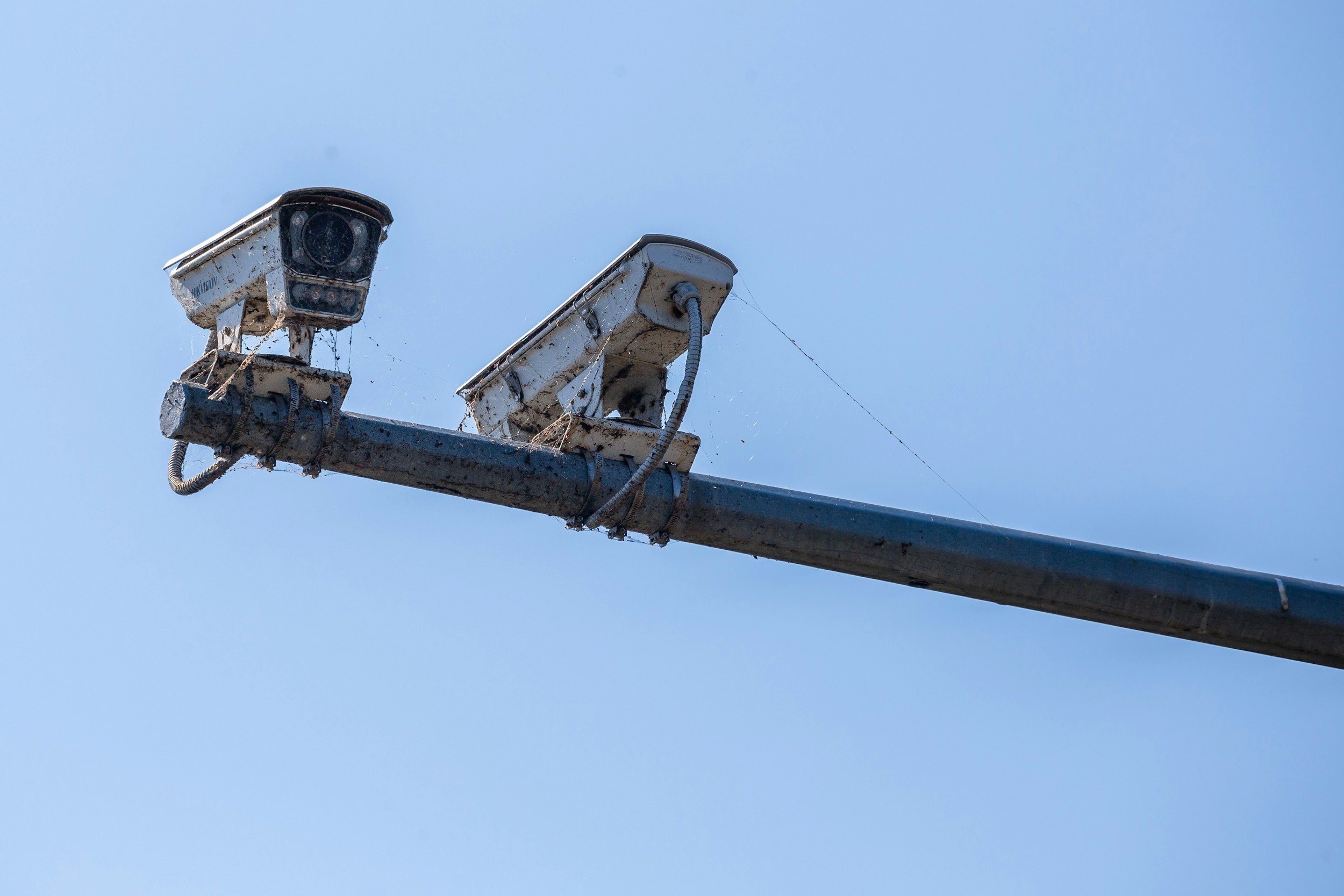
How police misuse license plate readers to stalk survivors, the new SignalTrace device-tracking tech, and what survivors and advocates can do.

Empowerment to Emboldenment
Discover the difference between empowerment and emboldenment for domestic abuse survivors, and how moving through both stages leads to healing and lasting freedom.

The EAA Can Help Even If You Never Go to Court
Document The Abuse explains why documenting abuse matters even when survivors aren't ready for legal action. The Evidentiary Abuse Affidavit (EAA) is a secure digital tool that helps survivors record incidents at their own pace, preserve details over time, recognize patterns, and protect their options for the future — whether or not they ever pursue a court case. Documentation supports emotional processing, safety planning, and access to services like housing, workplace accommodations, and victim assistance programs.

Why Victims of Abuse Often Have to Leave While Offenders Stay
Victims and children often have to flee abusive homes because our systems prioritize removing them from danger instead of removing the abuser. While physical abuse is easier to see, emotional and coercive control often go unnoticed and can be just as deadly. Abuse isn’t always gender-based, but male-on-female violence remains the most common. Advocates can help lessen fatalities by going beyond checklists, listening deeply, building trust, documenting evidence like the Evidentiary Abuse Affidavit, and creating long-term safety plans for every survivor.