
The EAA Can Help Even If You Never Go to Court
Document The Abuse explains why documenting abuse matters even when survivors aren't ready for legal action. The Evidentiary Abuse Affidavit (EAA) is a secure digital tool that helps survivors record incidents at their own pace, preserve details over time, recognize patterns, and protect their options for the future — whether or not they ever pursue a court case. Documentation supports emotional processing, safety planning, and access to services like housing, workplace accommodations, and victim assistance programs.

Why Victims of Abuse Often Have to Leave While Offenders Stay
Victims and children often have to flee abusive homes because our systems prioritize removing them from danger instead of removing the abuser. While physical abuse is easier to see, emotional and coercive control often go unnoticed and can be just as deadly. Abuse isn’t always gender-based, but male-on-female violence remains the most common. Advocates can help lessen fatalities by going beyond checklists, listening deeply, building trust, documenting evidence like the Evidentiary Abuse Affidavit, and creating long-term safety plans for every survivor.

She Found Her Voice
This article explains how the Evidentiary Abuse Affidavit (EAA) supports abuse victims by transforming lived experiences into structured legal documentation. Through storytelling, it highlights how survivors gain clarity, credibility, and confidence in court through evidence-based documentation.

How Victims of Abuse Can Safely Document Without Increasing Risk
Traditional evidence standards fail survivors of abuse by requiring unrealistic proof. Learn how the Evidentiary Abuse Affidavit (EAA) empowers survivors to document abuse on their own terms—legally, securely, and without re-traumatization.
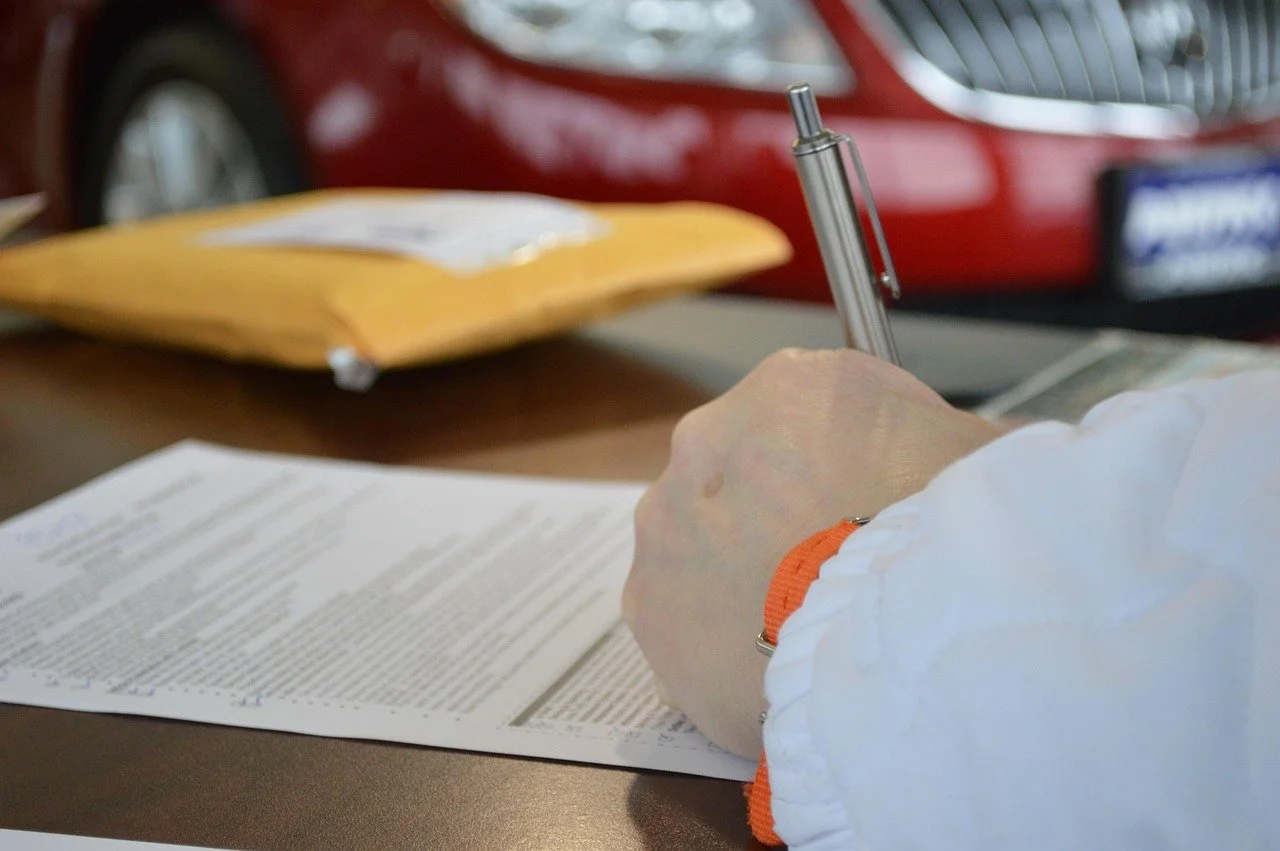
What Is Evidentiary Abuse and Why It Matters in Legal Cases
This article explains evidentiary abuse, a form of coercive control where abusers manipulate or interfere with evidence to gain advantage in legal cases. Learn how evidentiary abuse affects survivor credibility, why it matters in court, and how trauma-informed practices can help prevent injustice.

When Abuse Victims Change Their Stories
Many domestic violence victims later change their stories, not because the abuse didn’t happen, but because fear, dependency, and emotional bonds make it feel safer to withdraw. Understanding this response helps protect victims and preserve evidence safely.

Notarizing a Document: In Person vs. Virtual
When it’s time to notarize important documents like the Evidentiary Abuse Affidavit (EAA), should you choose in-person or virtual? Learn the benefits, safety considerations, and best practices for both options.

Big News: Document The Abuse is Now a Registered Nonprofit!
We have something to celebrate—and we want you to celebrate with us!
Document The Abuse is now officially a 501(c)(3) nonprofit organization!
This milestone means so much more than a new title. It means we can do even more for victims and survivors of abuse. It means more resources, more training, and more hope for the people who need it most.

Victims Beyond the Target
Abuse is never contained. It spreads across homes, families, friendships, workplaces, and communities. The target victim carries the heaviest burden, but they do not carry it alone. Everyone connected to the abuse, in large or small ways, bears its weight.